7 best thought leadership marketing agencies for B2B in 2026


TL;DR
The best thought leadership marketing agencies for B2B in 2026 are Animalz for SaaS programmes tied to SEO and answer engines, Column Five for research and visual storytelling, Velocity Partners and Considered Content for a sharp UK B2B voice, Hinge Marketing for professional services firms, Caspian Studios for podcast-led programmes and Contentoo for expert-led content across several markets. Building it in-house is the alternative to all seven, and the right one when an editor can get real time with your experts. Every agency here can write well, so writing quality won't settle the decision. Choose by how each one captures your experts' knowledge while keeping it in their own voice, and how quickly the work clears sign-off, because those two things decide whether a programme publishes anything worth reading.
The CEO has opinions strong enough to start an argument at a dinner party. The product lead has two years of usage data that nobody outside the building has seen. The head of risk could explain the new regulation better than any trade title. And the company LinkedIn calendar runs on safe posts about "navigating change", because nobody has a free afternoon to turn any of it into something worth reading.
That gap costs more than it used to. Buyers, and the answer engines they increasingly ask first, have every reason to look for named people saying specific things, because the alternative is flooding the feed.
In Pangram Labs' scan of posts read through its browser extension between April and June 2026, 41% of long-form LinkedIn posts were flagged as fully AI-generated. When four in ten long posts read as if the same machine wrote them, an expert with a defensible view has more room to be noticed, as long as the post still sounds like them. Getting several leaders to commit to that every week is its own project, and winning internal buy-in for thought leadership usually comes before choosing who helps. Once the voices are on board, the next decision is who supports them.
We chose agencies that specialise in content-led thought leadership for B2B, cover different formats and markets, and publish enough about how they work to compare fairly. Services, ratings and pricing models were checked on each agency's own site and review profiles in November 2026. Contentoo publishes this list and appears in it, assessed against the same criteria as everyone else.
What does a thought leadership agency do?
A thought leadership agency turns what your experts know into executive content your market can read, watch or listen to: long-form articles, research reports, LinkedIn posts, podcasts. Two neighbouring services get sold under the same label. PR-led agencies earn placements, getting your CEO's byline into a trade title or onto a conference stage. Executive ghostwriters write in one person's name, usually for LinkedIn. This list covers the first kind, the thought leadership content agency, though several agencies on it also ghostwrite.
The raw material has to be yours. Skyword, an enterprise content agency, argues that original research, proprietary data and content built around named experts carry a signal that AI can't synthesise from what's already published, which is what makes them worth citing. That's an argument rather than a measurement, but it matches what buyers have always rewarded: someone who knows a thing and says it plainly.
"The best content says the uncomfortable thing that no one else in the room wants to say... If you say it out loud – you're interesting." – Amy Watts, Freelance Social & Content Strategist, in The Rant Report: State of Content Teams
An agency can sharpen that uncomfortable thing and get it published. It can't invent it, and it shouldn't flatten it. The quiet failure in many programmes is one writer ghostwriting for every executive, until the CEO, the product lead and the head of sales all sound like the same person. Readers notice, and a borrowed voice earns borrowed trust. So the useful question about any thought leadership strategy agency is how it gets the idea out of your expert's head while keeping it in their words.
Why thought leadership stalls before it's published
Most expert-led content stalls in one of two places, and neither is the expert's fault. The first is time. The person with the insight is the person with the fullest diary, so a programme that waits for them to start from a blank page runs on their spare evenings.
The second is the sign-off chain. Internal review and approvals is the top-cited bottleneck in The Rant Report, named by 45% of content leaders, and the report found that teams with six or more stakeholders in review are considerably more likely to take two weeks or more to publish. Thought leadership attracts reviewers the way a draft press release does: product checks the claims, legal checks the risk, communications checks the tone, and the CEO's chief of staff checks everything. Each pass is reasonable on its own. Together, they sand a sharp opinion down to something nobody would argue with, which also means nobody remembers it.
Both constraints live in how the work is set up. That's useful, because set-ups can be changed.
How to choose a thought leadership agency
Once you've read a few portfolios, quality stops being the differentiator: the agencies worth shortlisting can all produce a strong article. What separates a B2B thought leadership agency from the next is everything around the writing. It helps to decide early which parts of content creation to outsource and which to keep. The point of view should stay yours, while the interviewing, drafting, editing and coordinating can move. Three questions then do most of the sorting.
How they capture your expertise
Agencies get knowledge out of your experts in four broad ways. An interview lets the expert talk while a skilled writer shapes the draft with them. A workshop takes a longer block and can seed several pieces at once. Ghostwriting from notes asks the least of the expert, and it's where voices tend to blur, especially when one writer covers several executives. Training programmes make the expert the writer, which builds the most personal reputation of all. Two questions sort them. How much of the expert's time goes on thinking rather than admin? And does the published piece still sound like them? If a colleague could read it without recognising the person behind it, the method didn't work, however little time it took.
How they handle sign-off
Ask who approves what, how many revision rounds are included and where compliance review sits. Internal approvals stay with you, so the answer you want on your side is scoped sign-off: the expert approves the positions taken in their name and the way they're said, communications approves tone, legal approves claims, and each reviewer's authority ends at the edge of their domain. From the agency, ask what happens after each round: who turns the feedback into a revised draft, how quickly it comes back, and how many rounds the price includes.
Formats, markets and cost
Match the format to how your experts communicate best. Long-form articles and reports suit people who think in structure, LinkedIn suits people with frequent sharp takes, and podcasts suit people who are better out loud than on the page. If you sell in several markets, ask whether content is translated afterwards or produced with local experts, and who reviews it in each language. On cost, expect a monthly retainer, per-piece fees or a per-programme price. Few agencies publish their rates, so ask for a range in the first call.
Thought leadership agencies at a glance
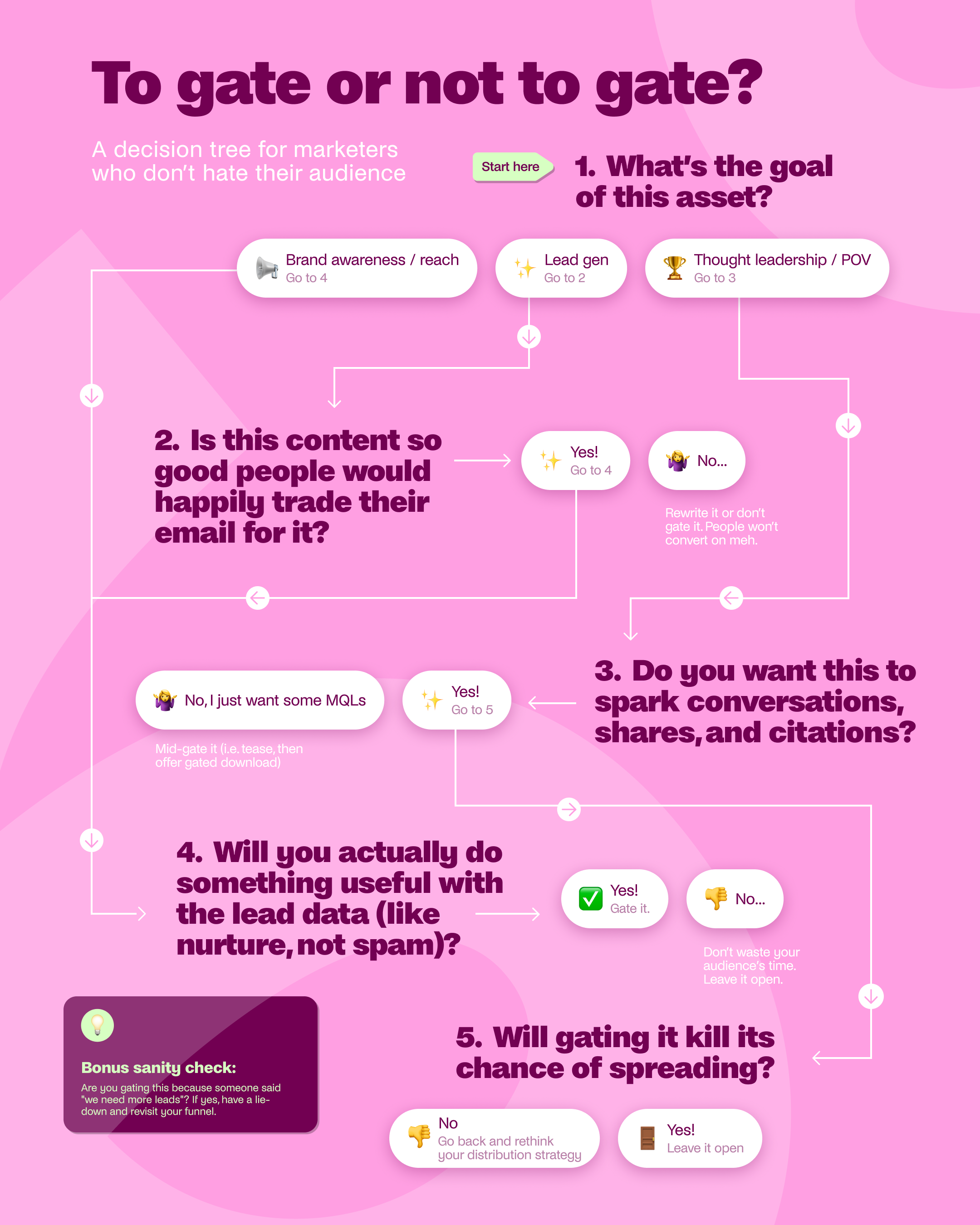
Read across each row: the first four columns show who does the work around the writing, and the next two show how each agency keeps your expert's voice and who signs off.
To narrow the shortlist, start from where your programme gets stuck rather than from the agency. If your experts won't write but will talk, look at Animalz's interview-led model or a podcast with Caspian Studios. If each partner needs a public profile of their own, Hinge's training route is worth the extra hours. If you have proprietary data, start with Column Five; if drafts keep coming back softened, Velocity Partners; if nobody can say what the programme is for, Considered Content. And if you publish in several markets with several contributors, the coordination outweighs the writing, which is where a managed workflow earns its fee.
The 7 best thought leadership marketing agencies in 2026
The list runs from agencies that tie thought leadership to search, through research and visual storytelling, two UK agencies known for their voice, a professional services specialist and an audio studio, to a managed multi-market workflow and the in-house route. Every entry follows the same template: the problem it solves best, how it works, then the four questions from the table. The right agency depends far more on where your programme gets stuck than on who writes the prettiest sentence.
1. Contentoo: best for expert-led content across complex, multi-market workflows
The expertise exists, in the head of a risk director in Frankfurt or a product lead in Amsterdam. What's missing is the time to get it onto the page in their own voice, a sign-off path that doesn't take a month, and the same again for every market you sell in.
Contentoo, which publishes this list, is a managed content workflow. Your team sets the strategy, brand standards and approval points, and Contentoo runs the production around them: briefing, expert sourcing, quality control, revisions, localisation and delivery, with a dedicated customer success manager. How the expertise gets captured depends on the engagement, whether that's an industry expert interviewing your specialist or ghostwriting from their notes and input. The balance of human and AI work is set per content type too, and Contentoo's enterprise page recommends keeping high-stakes content fully human.
Native experts adapt each piece for every market, drawing on 3,000+ vetted industry experts across 49+ languages. Schouten & Nelissen used this expertise matching during a rebrand, with writers matched to its Leadership and Business Administration areas producing white papers and long-form content across several projects in parallel.
Who briefs: Contentoo, from your approved context and the expert input agreed for each engagement.
Who QAs: Contentoo editors, with quality checks and revisions handled inside the workflow before a draft reaches your reviewers.
Who owns multi-market delivery: Contentoo, with native experts in each language.
What you still run yourself: Your point of view, the expert's time for input and review, and your internal stakeholder approvals.
The trade-off: You hand over production, sourcing and revisions, but internal approvals stay with your team, so a long sign-off chain inside your company still needs fixing on your side. The model pays off most with several markets, several contributors or a heavy review load; with one market and two reviewers, a single good writer may be enough.
Reviews and pricing: 4.5/5 on G2, from 32 reviews. Work starts with a paid pilot, then an agreed scope.
2. Animalz: best for SaaS thought leadership tied to SEO and answer engines
Your executive's best post gets a burst of attention on Tuesday and is gone by Friday, and none of it builds the search presence your demand team is measured on. The usual reason is structural: LinkedIn thought leadership and the SEO programme run as separate projects with separate owners, so neither feeds the other.
Animalz runs both from one team. Its buyer's guide describes a LinkedIn thought leadership service built on structured interviews and what it calls voice encoding, so posts are written from the executive's own words, alongside SEO, answer engine optimisation and survey-driven white papers. The same guide puts its team at about 130 writers, strategists and editors working with B2B SaaS companies such as Google, Intercom and Zendesk.
Who briefs: Animalz strategists, from interviews with your executives.
Who QAs: Animalz editors, with your executive approving the final voice.
Who owns multi-market delivery: Localisation isn't a listed service.
What you still run yourself: Interview time, internal sign-off and any translation.
The trade-off: Interviews keep the expert's time low and the voice close to their own, and the work compounds in search. You still own internal sign-off and anything published in other languages, so it fits SaaS teams publishing mainly in English who want thought leadership to feed demand, less so multi-market programmes.
Reviews and pricing: Not yet reviewed on Clutch. Its Clutch profile lists engagements starting at $8,000 a month.
3. Column Five: best for research-led thought leadership and visual storytelling
You have proprietary data that could anchor a category argument, and it's sitting in a 40-page PDF that nobody finishes. Research and design usually live in different teams, so the findings get written up long before anyone decides how a buyer will actually see them.
Column Five has spent more than 15 years making content for SaaS and technology brands. On its own site, it lists editorial, data visualisation, motion graphics, video and interactive work, produced by a small senior creative pod that embeds with your team, for clients including GitHub, Okta and Snowflake. Its services also include executive thought leadership, so the data story and the opinion around it can come from the same people.
Who briefs: Column Five's pod, working with your team and your data.
Who QAs: The Column Five pod, with your team approving each asset.
Who owns multi-market delivery: Localisation isn't a listed service.
What you still run yourself: The research input, sign-off and translation.
The trade-off: You get research and design that make a data story hard to ignore, at premium pricing and with your team supplying the data and the approvals. It fits programmes built on proprietary research; if your experts' value lies in opinion rather than data, the budget may go further elsewhere.
Reviews and pricing: 4.9/5 on Clutch, from 18 reviews. Reviewers single out its project management and its ability to tell a story through data; one wanted the agency to be firmer on deadlines, and another noted that the quality comes at a premium price. Engagements start at $25,000 a month with a three-month minimum, published on its site.
4. Velocity Partners: best for bold, opinionated B2B tech content
Your drafts read like a committee wrote them, because one did. When every reviewer can soften a claim, the safest version wins, and safe thought leadership is a contradiction in terms.
Velocity has made long-form B2B technology content from London and New York since 2000, combining strategy, creative and performance work for clients such as AWS, Salesforce and Workday. Its reputation rests on content that argues something: eBooks and white papers that sound like a person with a point of view. One thing to raise in 2026: Velocity is becoming part of Pretzl, a new company formed from five Next15 B2B agencies, so ask who will run your account through that change.
Who briefs: Velocity strategists, from your positioning and leadership input.
Who QAs: Velocity's creative team, with your team approving.
Who owns multi-market delivery: Localisation isn't a listed service.
What you still run yourself: Expert access, approvals and translation.
The trade-off: A bold creative voice can cut through committee-softened copy, but it only survives if your own reviewers let it through, and the move into Pretzl adds a question about continuity. It fits tech brands ready to take a stronger public position.
Reviews and pricing: Listed on G2. Pricing isn't published.
5. Considered Content: best for building thought leadership as a strategic programme
You publish thought leadership every week and still can't say what it's for or what it has changed. Programmes that start with output and work backwards rarely agree their positioning first, so each piece argues something slightly different from the last.
Considered Content is a UK agency that describes itself as a specialist thought leadership agency for B2B marketers in technology, professional services and manufacturing. Its listed services start with thought leadership strategy, core messaging and positioning, then run through research reports, content for sales and outbound, and the advertising that puts the work in front of buyers. That order suits teams whose problem sits upstream of the writing.
Who briefs: Considered, after positioning work with your leadership.
Who QAs: Considered's team, with your leadership approving.
Who owns multi-market delivery: Localisation isn't a listed service.
What you still run yourself: Expert time for research, sign-off and localisation.
The trade-off: Strategy comes before output, so the first pieces take longer and your leadership has to commit time to positioning upfront. It fits teams whose problem is a muddled point of view; if the positioning is already settled, you may be paying for groundwork you don't need.
Reviews and pricing: Not yet reviewed on Clutch. Its Clutch profile lists a minimum project size of $10,000.
6. Hinge Marketing: best for professional services firms whose experts are the product
At a consultancy, accounting practice or law firm, buyers often choose a named partner before they choose the firm. Content written on that partner's behalf can raise the firm's profile, but the partner still has to hold the conversation that follows, on a panel or in a pitch.
Hinge works only with professional services firms and builds its advice on research: it says it has almost two decades of data from more than 60,000 firms and their buyers. Its Visible Expert programme combines live training, PR support and mentoring with guided self-study, so experts learn to publish and speak in their own right. It's the most expert-led route on this list, and the reputation it builds belongs entirely to the person.
Who briefs: The expert, coached by Hinge.
Who QAs: Hinge, together with the expert.
Who owns multi-market delivery: Localisation isn't a listed service.
What you still run yourself: Real time from each expert, which is how their own reputation gets built.
The trade-off: Hinge asks more of each expert than any other option here, because they learn to publish and speak for themselves. That builds a reputation that stays with the person, so it fits firms where partners win the work, and suits less well an expert with no hours to give.
Reviews and pricing: 5/5 on Clutch, from two reviews. One reviewer singles out how Hinge benchmarks a firm against similar firms, and describes the work as a significant investment that was worth making. Its Clutch profile lists a minimum project size of $10,000 and rates of $200 to $300 an hour.
7. Caspian Studios: best for podcast-led thought leadership
Your experts talk brilliantly and write reluctantly. A writing-first programme asks them for the one thing they find hardest, then wonders why the calendar keeps slipping.
Caspian Studios calls itself a podcast-as-a-service company and produces more than 60 B2B podcasts and video series, from interview shows to narrative non-fiction and fictional business series such as Murder in HR. Your expert speaks in their own voice on the show, and Caspian handles strategy, production, editing and launch.
Who briefs: Caspian producers, with your marketing team.
Who QAs: Caspian's producers and editors, with you approving each episode.
Who owns multi-market delivery: Localisation isn't a listed service.
What you still run yourself: Guest and expert time, and distribution beyond the show.
The trade-off: A recording session asks little of an expert who talks well, but the output is audio and video, so written thought leadership, translation and wider distribution stay with you unless you scope them in. It fits programmes that want a show; on its own it won't fill a LinkedIn or long-form calendar.
Reviews and pricing: 3.5/5 on G2, from two reviews. Pricing is by custom proposal.
Building it in-house: best when you can give an editor real access
You want every voice to stay unmistakably its owner's, and the institutional knowledge to stay in the building. In-house programmes tend to stall when the editor has the title but not the diary access, so the plan depends on goodwill rather than scheduled time.
Doing it well takes three things: an editor who can interview as well as write, recurring time blocked in each expert's diary, and a scoped approval path agreed before the first draft exists. The cost and control trade-offs are the same ones that decide agency versus in-house content teams more broadly; thought leadership raises the stakes, because the scarcest input is expert time.
Who briefs: Your editor.
Who QAs: Your editor and reviewers.
Who owns multi-market delivery: You, through local teams or translators.
What you still run yourself: Everything.
The trade-off: You keep full control and pay in time: every interview, edit, review round and translation runs through your team. It fits organisations with a strong editor and leaders who protect diary time; without both, the programme tends to stall.
Reviews and pricing: Not applicable. The cost is salaries, tools and expert time.
How do you get thought leadership through executive sign-off faster?
Remember the six-stakeholder finding from earlier: the more people who can edit a piece, the longer it takes and the safer it gets. The fix is to scope each reviewer's authority before the first draft exists. The expert approves the positions taken in their name and changes any line that doesn't sound like them.
Communications approves tone. Legal approves claims. Comments outside a reviewer's domain become suggestions the editor can take or leave, and nobody rewrites the introduction by committee.
Writing those rules down takes an afternoon. Keeping them is a job. Someone has to book the expert's time for the two moments that count, the conversation where the ideas come from and the read where they confirm it sounds like them, then chase each review window before silence turns into a fortnight, cap the rounds so the third pass doesn't undo the second, and tell the CEO's chief of staff, politely, that the headline is closed. In most programmes that someone is the content lead, on top of everything else, which is why scoped sign-off tends to work for a month and then quietly lapse.
Those approvals stay with your team, because only you can hold your own stakeholders to the rules. What an agency can take off your plate is the production around each round: sourcing the right expert, quality checks before a draft reaches anyone, revisions once feedback lands, and getting the next version back quickly. That's the part of the operation Contentoo manages, which leaves your content lead free for the approvals only they can secure. All that structure exists to protect the edge that made the piece worth publishing.
"If I feel, 'oh, this might be a little too much' – perfect. That's good content. If I'm automatically like, 'this will do' – 'this will do' is my enemy." – Deiondre van der Merwe, Content Lead at Snitcher, in The Rant Report
Thought leadership for financial services executives
In banking, insurance and payments, compliance review is non-negotiable, and agencies that write thought leadership for financial executives should build it in as a defined gate early in the process. Put compliance on the claims and figures before anyone polishes the prose, and give it authority over what it's there to protect: it can block a regulated claim, while the argument and the voice stay with the expert.
Keep a register of approved positions and phrasing, so the next piece reuses what's already been cleared and the one after that moves faster again. In several markets, the register has to travel too, because a claim cleared in English still needs the same check in German or Dutch.
Ask any agency where compliance sits in its workflow and who maintains that register. If the answer is "send it over once legal has approved it", the slowest step in your programme stays exactly where it is.
FAQs
How much does a thought leadership agency cost?
A thought leadership agency usually charges a monthly retainer, a per-piece fee or a per-programme price, and few publish their rates. Column Five is an exception, with engagements starting at $25,000 a month and a three-month minimum, and Animalz lists a starting point of $8,000 a month on its Clutch profile. The headline rate is only half the comparison, so check what it covers. If briefing, review rounds and localisation stay with your team, the cheaper quote can cost more once you count internal hours and expert time. A paid pilot on real content is the fairest way to see the full cost before you commit to a scope.
How do agencies create thought leadership without taking up executives' time?
Agencies save executives' time by interviewing them or ghostwriting from their notes, so the hours go on thinking rather than on facing a blank page. A skilled interviewer can turn a half-hour conversation into a draft in the executive's own words, and one interview can often feed several pieces. Before you sign, ask for two numbers: the minutes of expert time a typical published piece takes, and who books and chases those minutes. If the answer to the second is you, the time has only moved from the executive's diary to yours.
What is the difference between a thought leadership agency and a PR agency?
A thought leadership agency produces owned content from your experts' thinking, while a PR agency earns placements for it in other people's channels, such as trade media and conference stages. Which one you need depends on where the programme is stuck. If you have strong ideas that nobody is hearing, the problem is reach and PR helps. If you have reach but little worth saying, start with a content-led agency. Many programmes end up needing both, and the content side usually comes first, since it's where the expertise gets captured in the first place.
Can thought leadership content be produced for several markets and languages?
Yes, thought leadership can be produced for several markets, but translating a finished English piece is rarely enough, because arguments, examples and even what counts as a bold claim shift between markets. The stronger set-up has native experts adapt each piece, a local reviewer approve the language, and the original expert approve the positions once, rather than once per market. This is also where the choice of agency matters most. With one market and two reviewers, a good writer may be all you need. With five markets and a review chain in each, the coordination costs more than the writing, and that production coordination is the work a managed workflow is built to take on, while each market's approvals stay with your team.
Should we use AI to write thought leadership content?
AI can help with structure and check a draft against your tone of voice and approved context, but the ideas and the words should come from the named person whose byline it carries. That matches how content teams already use it: in The Rant Report, 46% use AI for content briefs and only 21% for drafting. As Simone Engbo Hansen, Content & Communications Lead at Airtame, put it: "Working with an LLM is like working with a team of juniors. You are in charge of the brief." So the better question for an agency is where AI sits in its workflow, and whether you can decide that per content type. Keeping high-stakes executive pieces fully human, while AI handles the checks and lower-stakes formats, is a reasonable line to draw.